Ocean freight in 2026: too many ships, unstable routes, better deals
Record newbuild deliveries push rates down, while route diversions and surcharges keep volatility alive. How to lock in cost without losing flexibility.

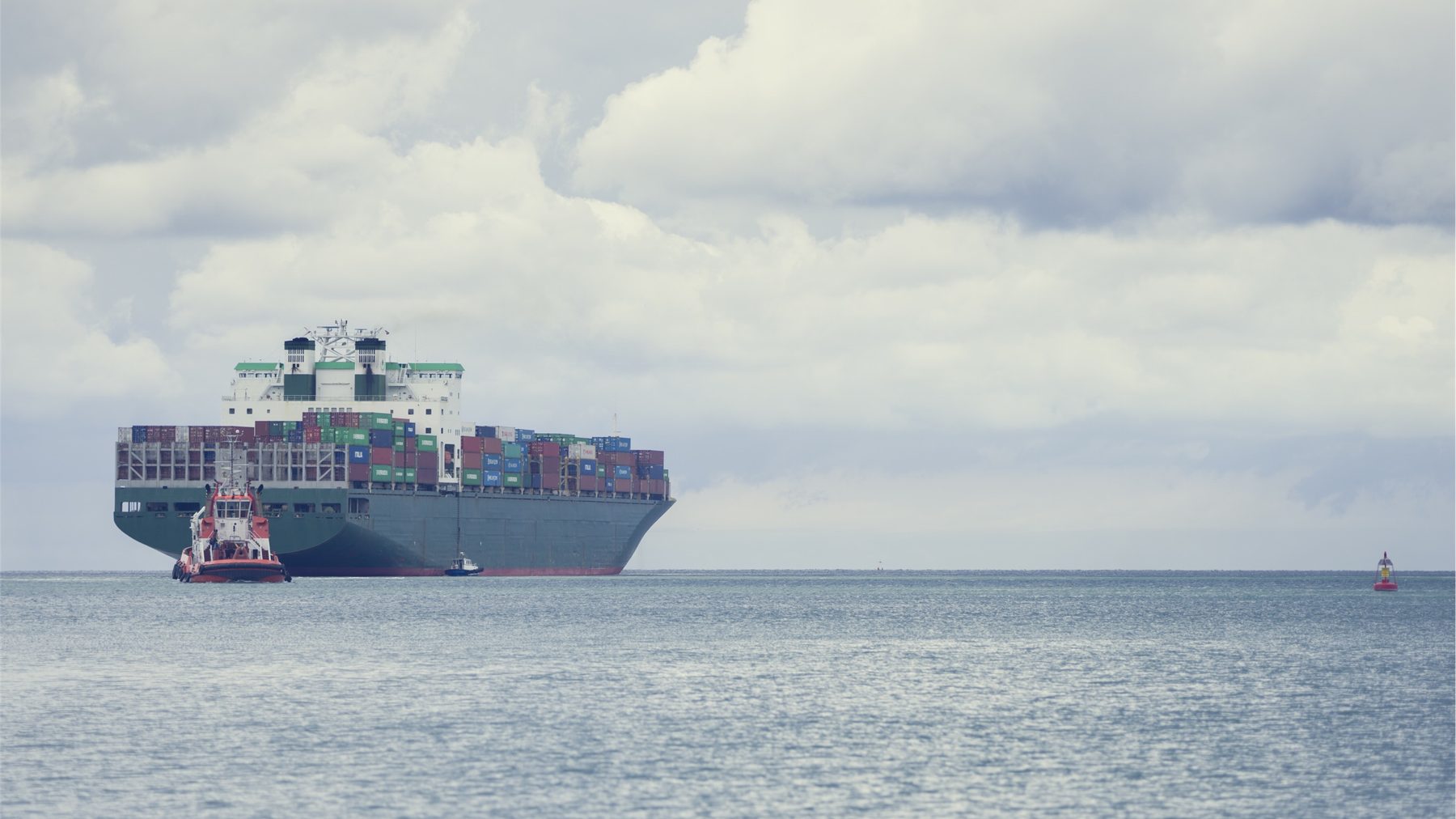
The container market is living a paradox. On one side, the world fleet is growing at record pace as ships ordered during the pandemic are delivered, which pushes rates down. On the other, route diversions, emergency surcharges and localised congestion create spikes that catch importers off guard.
What is moving prices
- Capacity: more ships than cargo on the main east-west trades, which favours the shipper in annual negotiations.
- Routes: part of the fleet still sails around Africa instead of using the Suez Canal, which absorbs capacity and lengthens Asia-Europe transit and, indirectly, Asia-Brazil.
- Surcharges: peak season, congestion and low-sulphur fuel keep appearing on the invoice, often without warning.
- Alliances: the reshuffle of carrier consortia changed frequencies and ports of call, including Santos, Paranaguá and Itapoá.
Our view: 2026 is a contract year, not a spot year
With capacity to spare, a shipper with predictable volume can sign annual contracts well below the levels seen in 2024. The mistake is committing 100% of the volume to contract: keep a share on spot to capture drops and to stay flexible during demand peaks.
The rule we apply: 60% to 70% of volume under contract with two carriers, the remainder on spot through a partner consolidator. Surcharge clauses negotiated in writing, with a cap.
What to look at beyond price
Cheap freight with a 55-day transit time and three transhipments can cost more in inventory and working capital than a direct service 15% more expensive. Assess schedule reliability, container free time at destination and the quality of service when things go wrong. In 2026, the difference between a good and a bad logistics partner shows up precisely at that moment.
TMLOG negotiates with the main carriers and consolidators on the Asia, Europe, North America and Middle East trades, and builds the contracting strategy around each client's profile.
International trade and logistics specialist with experience in import, export, customs clearance and international business development at TMLOG Global Trade & Logistics.
LinkedIn