Mercosur-EU: the deal is coming. Who will make the most of it?
After 25 years of negotiation, the agreement is in its final ratification stretch. Our view on winning sectors, quotas, rules of origin and what to do before the first tariff schedule begins.

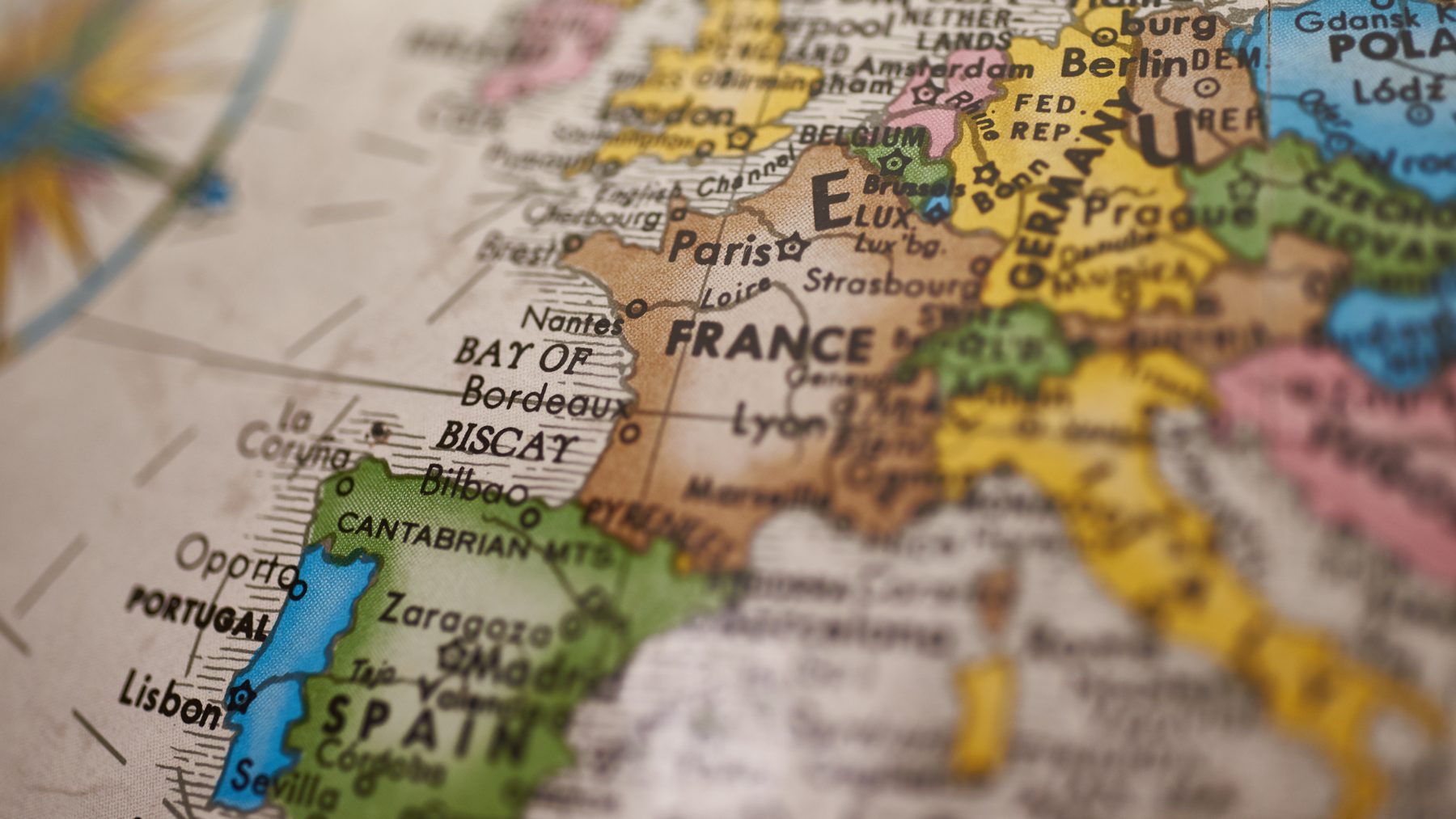
The agreement between Mercosur and the European Union was signed at the end of 2024 and has been moving through ratification ever since, with the noise you would expect from a treaty of that size. Whatever the exact date the first tariff cuts take effect, one thing is certain: the companies that arrive prepared will capture the quotas and the distribution channels first.
Where the opportunities are
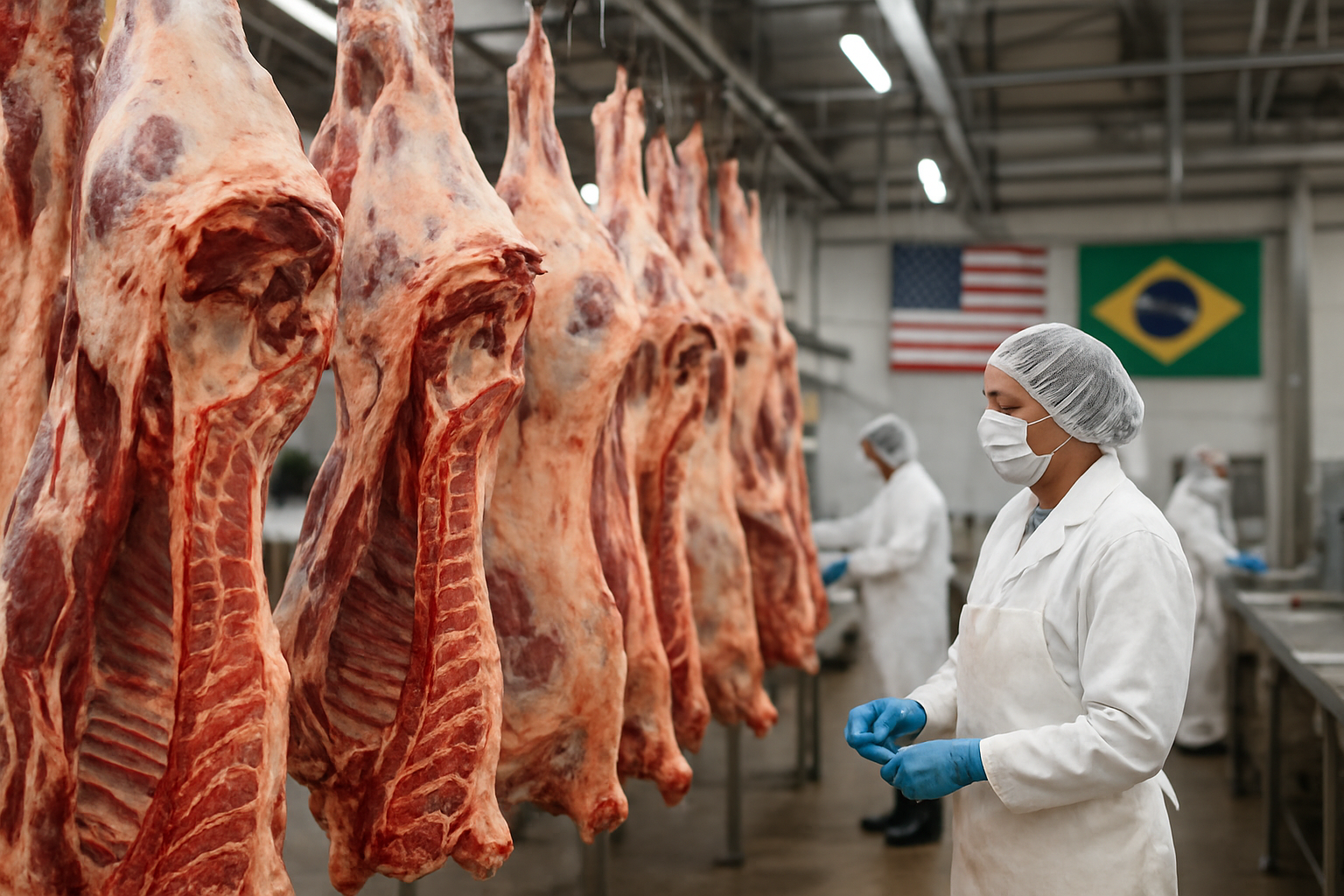
- Agriculture and food: meat, sugar, ethanol, honey, fruit and juice gain quotas and progressive tariff reductions. Quotas are limited, and a contested quota belongs to whoever ships first.
- Industry: the EU removes tariffs on the vast majority of Brazilian industrial goods along the schedule, reopening the market for machinery, auto parts, chemicals and footwear.
- Imports: European capital goods, pharmaceuticals, wine and cheese become more competitive in Brazil, which is an opening for distributors as well.
Rules of origin: the detail that decides everything
The tariff benefit only exists for products that meet the agreement's rules of origin. That means controlling regional content percentages, qualifying production processes and origin documentation. Companies with Asian input chains need to map now where the disqualification risks sit.
Our recommendation: run an origin study per product line before promising a price to a European buyer. Finding out the product does not qualify after the contract is signed is expensive.
Sustainability is not an appendix
The agreement carries environmental commitments, and European importers already demand traceability because of their own regulations, such as the deforestation rules and the carbon border mechanism. Anyone exporting agricultural commodities or energy-intensive goods needs data, not just good intentions.
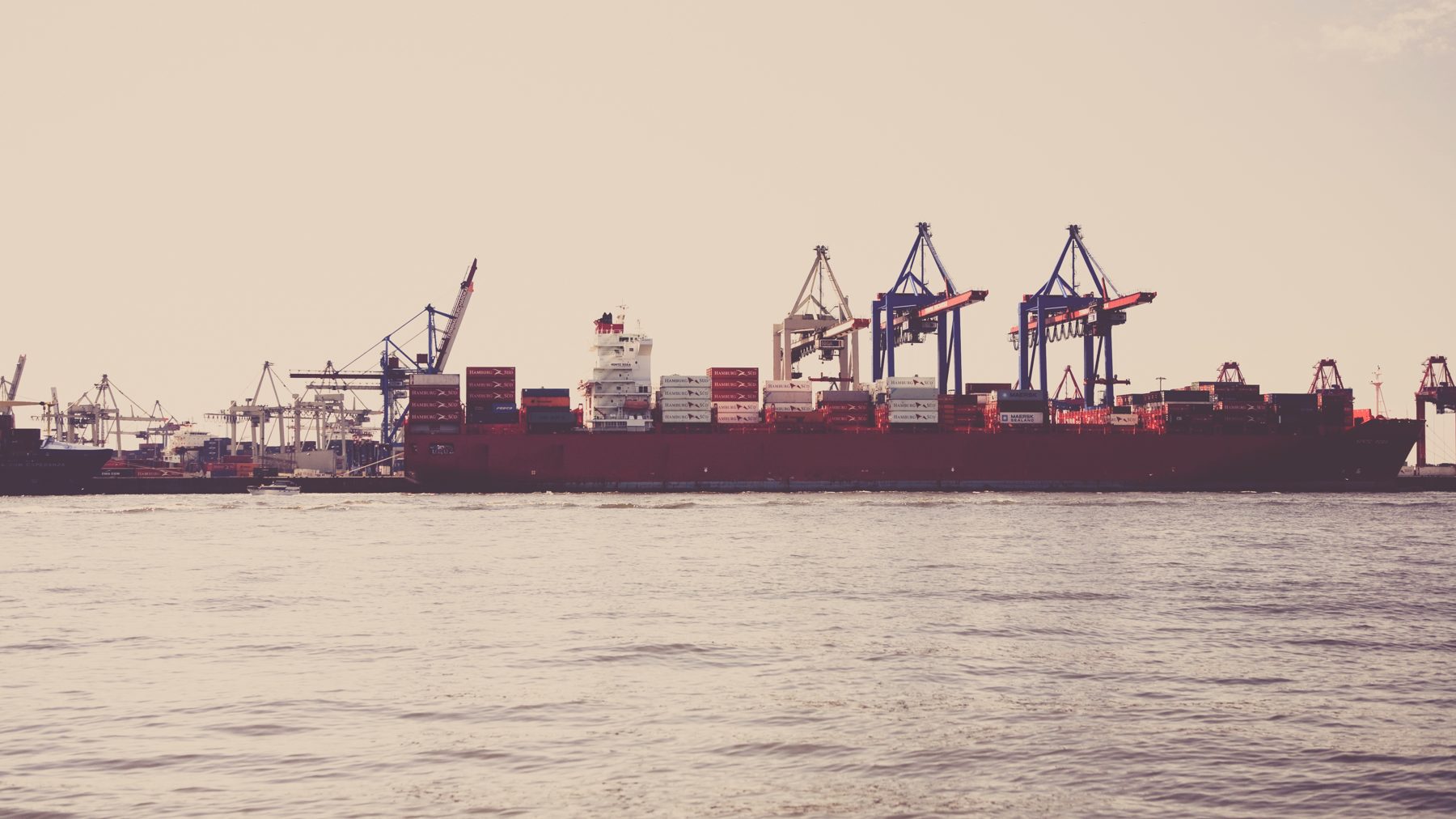
TMLOG tracks the tariff phase-out schedules and helps build the entry plan: origin qualification, ocean logistics to the main European ports and clearance with local partners.
International trade and logistics specialist with experience in import, export, customs clearance and international business development at TMLOG Global Trade & Logistics.
LinkedIn